
Moody's Ratings on Tuesday projected general government debt to stabilise above 80 per cent of GDP over the next three years, down from 89.3 per cent in 2020-21. "General government interest payments to fall to around 24 per cent of general government revenue over the next two years from over 28 per cent in fiscal 2020-21, although this remains much higher than the median 8.7 per cent recorded by Baa-rated peers," Moody's Ratings associate managing director Gene Fang said in a post-Budget reaction.
Direct tax collection, including personal income tax, rose by 35.46 per cent to Rs 6.48 lakh crore in the current fiscal up to September 8, reflecting an uptick in the economy. The country recorded a GDP growth of 13.5 per cent during the first quarter ended on June 30, 2022. Direct tax collection, net of refunds, stands at Rs 5.29 lakh crore which is 30.17 per cent higher than the net collections for the corresponding period of last year, according to the data released by the Income Tax Department.

Feature for feature, bank FDs are indeed better than debt funds today, mainly thanks to Ms Sitharaman, notes Debashis Basu.

Higher reliance on GST receipts for revenue reduces states' autonomy as these receipts depend on tax rates decided by the GST Council, a report by Delhi-based non-profit, PRS Legislative Research shows.

Gross collection of tax on corporate and individual earnings jumped nearly 24 per cent so far in the current fiscal year that started on April 1, the tax department said on Sunday. The gross collection of taxes on corporate earnings rose 16.74 per cent during April 1 to October 8, while personal income tax collection jumped 32.30 per cent, the tax department said in a statement. Direct tax collection came at Rs 8.98 lakh crore between April 1 to October 8, 2022, 23.8 per cent higher than the gross collection in the corresponding period a year ago.

Brokers believe that the higher charges may not completely deter investors from taking bets in F&O but could help cool down some activity, as the threshold to break even rises.

Tax shortfall: Finmin asks banks to deposit March TDS by month end.

Billionaire Mukesh Ambani's Reliance Industries Ltd on Friday reported a 22.5 per cent rise in net profit for the quarter ended March on the back of bumper oil refining margins, steady growth in telecom and digital services and strong momentum in the retail business. The oil-to-retail-to-telecom conglomerate's consolidated net profit rose to Rs 16,203 crore in the quarter ended March 31, 2022 from Rs 13,227 crore, the firm said in a statement. Net profit, however, fell 12.6 per cent sequentially -- breaking a six-quarter chain of quarter-on-quarter improvement.
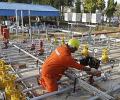
India's top oil and gas producer ONGC wants the government to scrap windfall profit tax levied on domestically produced crude oil and instead use the dividend route to tap into bumper earnings resulting from surge in global energy prices. The firm also favours a floor price for natural gas at $10 per million British thermal unit -- the current government-dictated rate -- to help bring deposits in challenging areas to production, two sources aware of the matter said. State-owned Oil and Natural Gas Corporation (ONGC) management during discussions with government officials stated that levying windfall profit tax on domestic oil producers, while at the same time reaping rich savings from buying discounted oil from Russia was unfair.

Here are the key numbers to watch out for in the Budget for 2022-23, which is widely expected to boost spending towards policies that create jobs, boost manufacturing, helping rural and agri-economy and infrastructure creation. Sitharaman, who had in her first budget in 2019 replaced leather briefcase -- which had been in use for decades for carrying budget documents -- with a traditional red cloth 'bahi-khata', has spurt in tax collections to her aid in the budget that is expected to a spend-all budget.

Data released earlier by CAG shows capital expenditure by the Centre had contracted 9.2 per cent in Q2

'The private sector will look to the budget to check whether there are any headwinds or tailwinds.'
IT services company HCLTech on Friday posted a 20.4 per cent rise in consolidated net profit to Rs 4,257 crore for the June-ended quarter and gave a revenue growth guidance of 3-5 per cent for FY25 on GenAI diversification and strong operational execution. For the fiscal's first quarter ended June 2024 (Q1 FY25), the revenue came in at Rs 28,057 crore, 6.6 per cent more than in the year-ago period. Seen sequentially, it was 1.6 per cent lower than the March quarter.

Shares of healthcare services major Max Healthcare Institute have gained over 23 per cent since the start of this month and the stock crossed the Rs 1 trillion mark on September 24. On September 25, it closed 989.85 apiece at the NSE. The gains were cornered on the back of a strong outlook for the sector and aggressive expansion plans for the chain led by acquisitions and organic growth.

The government wants new domestic companies to set up their manufacturing units fast and hence the concessional tax rate of 15 per cent has been extended by a year till March 2024, revenue secretary Tarun Bajaj said on Friday. Stating that direct and indirect tax collections are going up and have good buoyancy, Bajaj said it means that the corporate sector is also doing well, and India's tax to GDP ratio could be "highest ever" in the current year. The Budget 2022-23 presented on February 1 has proposed that the concessional 15 per cent corporate tax rate would be available for one more year till March 2024 for newly incorporated manufacturing units.

Tax concealment in case of Walmart-owned Flipkart's unit is about Rs 650 crore while the remaining estimation is related to Swiggy.

'I found it unbelievable that L&T said 45,000 jobs were waiting to be filled because of unavailability of suitable skillsets.' 'So, when the Opposition sweepingly says there are no jobs, I'm sorry... I'm not saying it's raining jobs, but there are jobs. The (skill) gap has to be bridged.'
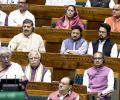
Finance Minister Nirmala Sitharaman on Tuesday announced income tax relief for the middle class, a Rs 2 lakh crore outlay for job creation schemes over the next five years and a spending splurge for states run by her party's new coalition partners as she unveiled the Modi 3.0 government's first budget after the general elections.
